Are Foundation Cracks Common?
You might think your house is the only one with flaws, but foundation cracks are incredibly frequent. In fact, it is rare to find a home that remains perfectly smooth throughout its life. Concrete is a rigid material, yet the earth it sits on is always moving. Most builders expect a house to settle during the first few years after construction.
This settling creates small hairline fractures that are usually harmless. These tiny gaps often form because the concrete shrinks as it dries. Since concrete contains water, that moisture eventually evaporates, causing it to contract slightly. Beyond the initial drying phase, the changing seasons also force the house to move. The ground expands when it freezes and shrinks when it dries out.
This cycle puts pressure on the walls year after year. Most older homes have developed at least a few thin lines in the basement or on the exterior slabs. You will see them in almost every neighborhood across the country. They are a standard part of a building’s aging process.
While they look scary, they are often just signs that the structure has adjusted to the weight of the roof, walls, and furniture. You should view them as a natural part of home ownership rather than a sign of poor construction.
What Causes Foundation Cracks?
Water is the primary enemy of a stable foundation. When heavy rain falls, the soil around your home soaks up that moisture like a sponge. This causes the dirt to expand and push against your basement walls. Experts call this hydrostatic pressure. It is a powerful force that can eventually crack concrete when drainage is poor.
If your gutters are clogged or your downspouts drop water right at the base of the house, you are asking for trouble. The extra weight of the wet soil creates a massive amount of stress that the walls were not designed to hold forever.
Another major cause is the type of soil under your feet. Some regions have clay-heavy soil that expands and contracts drastically with the weather. During a drought, this soil pulls away from the foundation, leaving the heavy concrete unsupported. When the rain returns, the soil rushes back in and pushes hard. This constant back-and-forth weakens the structure.
Poorly compacted soil from the original construction can also cause problems. If the builder did not pack the dirt tightly before pouring the slab, the house will eventually sink into the soft spots. Even large tree roots can play a role. They drink up all the moisture near the house, causing the soil to collapse and the foundation to tip or crack.
Common Types of Foundation Cracks
Not all cracks look the same, and their shapes tell a story about what is happening underground. Vertical cracks are the most frequent type you will encounter. These usually run straight up and down or slightly diagonally.
They often appear due to the settling process we mentioned earlier. While they can let in some water or pests, they usually do not mean the house is falling down. Most homeowners can fix these with a simple seal to keep the basement dry.
Stair-step cracks are a bit more concerning. These follow the grout lines in brick or cinder block walls. They look like a set of stairs climbing up the side of your house. These suggest that one corner of your home is sinking faster than the rest.
Horizontal cracks are the most dangerous variety. If you see a line running sideways across your basement wall, the soil outside is pushing too hard. This is a sign of structural failure.
The wall is bowing inward and could eventually collapse if you do not reinforce it. You might also see map cracking, which looks like a spider web. This usually happens when the concrete was mixed poorly or dried too quickly during construction.
When Should You Worry About a Cracked Foundation?
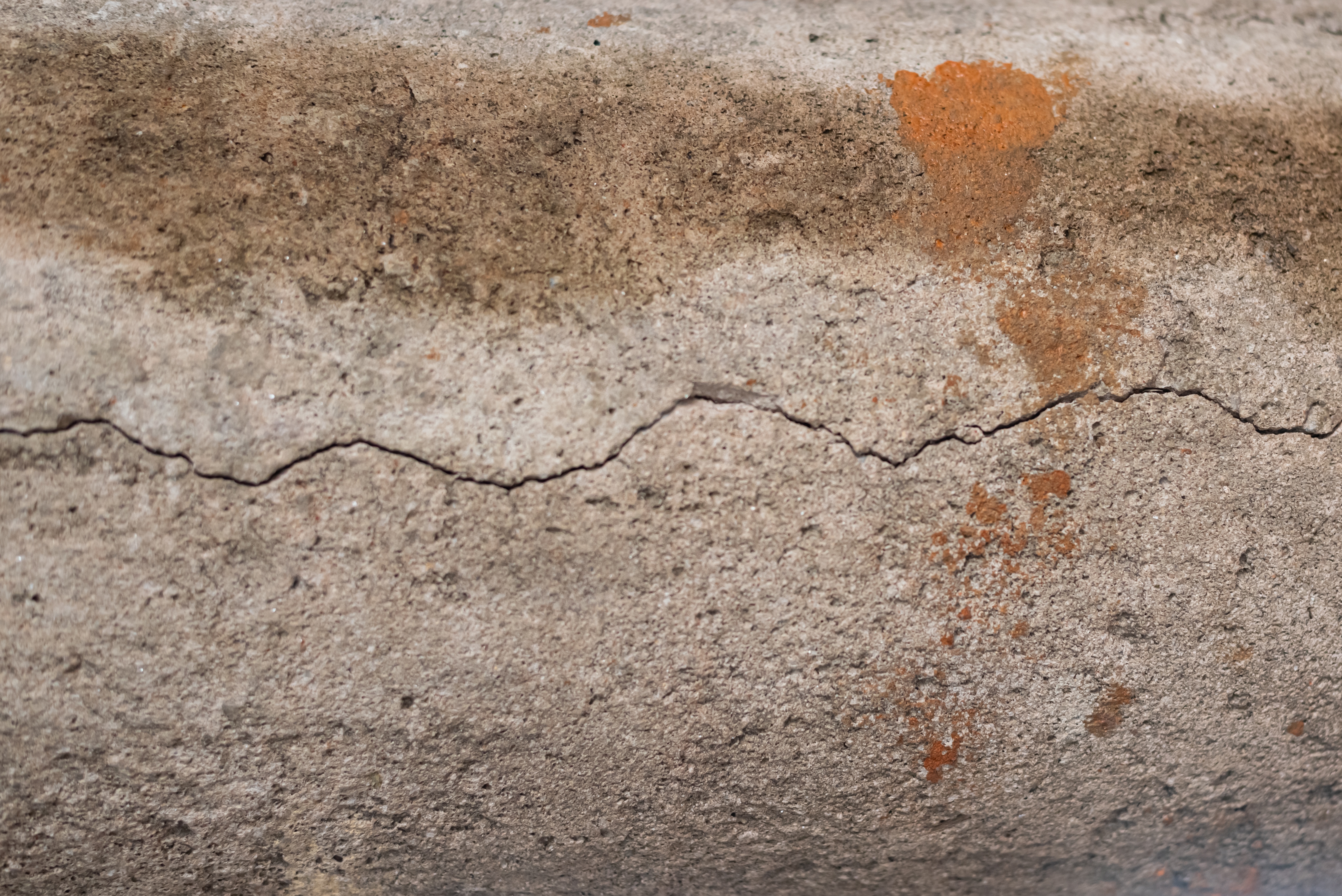
You should start paying close attention when a crack gets wider than one-fourth of an inch. A tiny hairline fracture is usually fine, but a gap you can fit a coin into is a warning sign. You should also worry if the crack is leaking water.
Even a small amount of moisture can lead to mold and rot inside your walls. If you notice that one side of the crack is higher than the other, this means the foundation has shifted significantly. This is called shearing, and it requires immediate professional attention. Keep an eye on the rest of your house for clues as well. Foundation issues rarely stay in the basement. You might find that your front door starts sticking or your windows are suddenly hard to open.
You could see cracks appearing in the drywall upstairs, especially around the corners of door frames. If your floors feel like they are sloping or if you see a gap between the wall and the ceiling, the foundation is likely the culprit. Any horizontal line in the basement is an automatic reason to call a pro. These do not get better on their own, and they only become more expensive to fix over time.
Foundation Crack Repair Solutions
Fixing a crack depends entirely on its cause and severity. For simple vertical cracks that are not leaking, a professional might use an epoxy or polyurethane injection. They pump a special resin into the gap that expands to fill every tiny space. This seals out water and bonds the concrete back together. It is a quick process that keeps your basement dry without digging up your yard. This is a great choice for minor issues that are purely cosmetic or related to light moisture.
If the problem is structural, the solutions get more intense. For bowing walls with horizontal cracks, pros often use carbon fiber strips. These are incredibly strong bands that get glued to the wall to stop it from moving further. They are low profile and can be painted over easily. If the house is sinking, contractors might use piers. These are long steel pipes driven deep into the earth until they hit solid rock or stable soil.
They then use hydraulic jacks to lift the house back to its original level. Another option involves wall anchors. These use a heavy plate in your yard and a plate on your basement wall connected by a steel rod. By tightening the rod, they gradually pull the wall back into place.
Pro Tip: Always address the water source before fixing the crack. If you do not fix your gutters or your yard’s slope, the water will just create a new crack somewhere else.
Professional Foundation Crack Repair Contractors
Fixing a crack depends entirely on its cause and severity. For simple vertical cracks that are not leaking, a professional might use an epoxy or polyurethane injection. They pump a special resin into the gap that expands to fill every tiny space.
This seals out water and bonds the concrete back together. It is a quick process that keeps your basement dry without digging up your yard. This is a great choice for minor issues that are purely cosmetic or related to light moisture.
If the problem is structural, the solutions get more intense. For bowing walls with horizontal cracks, pros often use carbon fiber strips. These are incredibly strong bands that get glued to the wall to stop it from moving further.
They are low profile and can be painted over easily. If the house is sinking, contractors might use piers. These are long steel pipes driven deep into the earth until they hit solid rock or stable soil. They then use hydraulic jacks to lift the house back to its original level. Another option involves wall anchors.
These use a heavy plate in your yard and a plate on your basement wall connected by a steel rod. By tightening the rod, they gradually pull the wall back into place.
Pro Tip: Always address the water source before fixing the crack. If you do not fix your gutters or your yard slope, the water will just create a new crack somewhere else. If you are reluctant to do it yourself, you can always call professional foundation crack repair contractors from us.
Conclusion
You should not let a small crack turn into a massive headache for your family. While these lines are common, knowing when to act keeps your home standing strong.
Family Dry provides the best services for any foundation-related concern you might have. They bring real skills to every job. Trust their team to keep your basement dry and your walls safe.
-
Do All Houses Have Foundation Cracks?
Not all houses have foundation cracks, but many do as they settle over time. Minor cracks can be common and often non-structural, resulting from normal settling or temperature changes rather than serious issues.
-
Which Foundation Cracks Are Normal?
Normal foundation cracks are usually small, hairline fractures. They typically appear due to natural settling or seasonal changes in temperature and moisture. These cracks are often cosmetic and don’t compromise the integrity of your home.
-
Which Foundation Cracks Are the Most Dangerous?
Dangerous foundation cracks are wider than 1⁄4 inch, diagonally oriented, or show signs of water damage. They may indicate serious structural issues that could compromise your home’s stability and require immediate professional assessment.
-
Why Should I Repair My Foundation Crack?
Repairing foundation cracks prevents further damage and costly repairs down the line. Ignoring them can lead to water infiltration, mold growth, and structural instability, all of which can significantly impact your home’s safety and value.
-
How To Tell If a Foundation Crack Is Structural?
To determine if a crack is structural, look for width, signs of shifting walls, or water stains. If the crack is wider than 1⁄4 inch or diagonal, consult a professional to evaluate its severity and potential impact.
 About the Author