Causes, Risks & Repair Options of Bow Walls in Basements
Imagine walking down to your basement to grab some holiday decorations and noticing the wall looks like it’s about to belly-flop. That curve in the concrete isn’t just a weird architectural choice. It is a sign your house is under a lot of stress. Dealing with bowing walls feels scary and overwhelming for any homeowner. You might worry about your home’s value or even your family’s safety.
This blog breaks down exactly what is happening beneath your feet in a way that makes sense. We want you to feel like a pro when talking to contractors or neighbors about your foundation. You deserve a home that feels solid and safe from the ground up. By the time you finish reading this, you will know the signs to watch for and how to fix them for good.
Family Dry stands out as the best service provider for these repairs because they treat your home as if it were their own. Let’s get into why your walls are acting up and how we can set things straight together. Knowing the basics helps you make smart choices that protect your biggest investment.
Causes of Bowing Basement Walls
Soil is much heavier than most people think. When the ground around your home gets soaked with rain or melted snow, it expands like a giant sponge. This expansion puts incredible force on your foundation. If you live in an area with heavy clay soil, the problem gets even worse.
Clay holds onto water and swells up significantly compared to sandy soil. This constant cycle of getting wet and drying out puts a rhythmic strain on the concrete blocks or poured walls.
Tree roots also play a major role in this struggle. They grow toward water sources and can wedge themselves against your foundation with surprising strength. This creates localized pressure points that push the walls inward. Sometimes, the way your yard is graded makes things more difficult for the structure.
If the ground slopes toward your house instead of away, water pools right next to the wall. This turns the soil into a heavy and pushing mess that the wall cannot hold back. Understanding these causes helps you see that it is usually nature, not human activity, that causes the bulge. Family Dry knows how to assess your specific yard to find these hidden culprits before they cause more damage.
What exactly is Hydrostatic Pressure?
Think about being at the bottom of a deep swimming pool and feeling that heavy weight on your ears. That is hydrostatic pressure. Now imagine that same force, but with thousands of gallons of water trapped in the soil surrounding your basement. When the ground gets saturated, the water has nowhere to go.
It builds up against your foundation walls crack because they are in the way. Since water is heavy, it exerts a massive force every single second. This isn’t just a gentle nudge or a soft lean. It is a relentless shove that never stops as long as the ground is wet.
Over time, even the strongest concrete or block wall starts to give way under this weight. The pressure finds any tiny crack and makes it bigger to let the water through. It usually pushes the middle of the wall inward because that is the structure’s weakest point. This is the main reason you see that classic bow shape in your basement. It is literally the weight of the earth and water trying to move into your living space.
Knowing this helps you understand why just painting over a crack won’t solve the issue. You have to address the water and the pressure. Family Dry uses specialized tools to fight this pressure and keep your walls standing tall for years.
Why Poor Construction Practices are lethal for you?
Sometimes the trouble starts long before you even move into the house. Builders who cut corners often leave homeowners with a ticking time bomb in the basement. If the original crew didn’t use enough steel reinforcement in the concrete, the walls won’t have the strength to resist the soil.
Another major issue is the use of cheap backfill material during construction. When builders dig the hole for your house, they should fill the space around the walls with gravel or something that drains well. Instead, some throw the original dirt back in to save money. If that dirt is heavy clay, you are in for a rough ride later on.
Even the thickness of the wall matters for the long-term health of the home. Walls that are too thin for the height of the house will fail much faster than they should. These mistakes are dangerous because they compromise the skeleton of your entire home.
A weak foundation affects everything from your roof to your kitchen floors. You might notice doors sticking or windows that won’t open easily. These are red flags that the structure is shifting because of poor initial work. Family Dry specializes in fixing these builder blunders so you can finally relax in a stable home. They bring the expertise needed to correct mistakes made decades ago.
The Risks of Ignoring the Problem
Ignoring a bowing wall is like ignoring a flat tire while driving on a highway. It only gets worse and much more expensive the longer you wait. As the wall bows further, the cracks widen and the structural integrity drops.
This lets in more water, creating a perfect breeding ground for mold. Mold can ruin your air quality and make your family sick without you realizing it. Beyond health concerns, there is the physical danger of the wall failing. If a wall bows too far, it can actually collapse inward.
This is not meant to scare you, but to show how serious the situation really is. A collapsed wall means your entire house is at risk of falling. Even before it gets that bad, your home value drops through the floor. No one wants to buy a house with a failing foundation that appears to be leaning.
You will also deal with higher utility bills because moisture in the basement makes your heating and cooling system work much harder. Fixing the problem early saves you thousands of dollars in the long run. It protects your investment and your peace of mind. Choosing a pro like Family Dry ensures the job is done right the first time. They help you avoid the nightmare of a total structural failure.
Solutions for Fixing Bowing Basement Walls
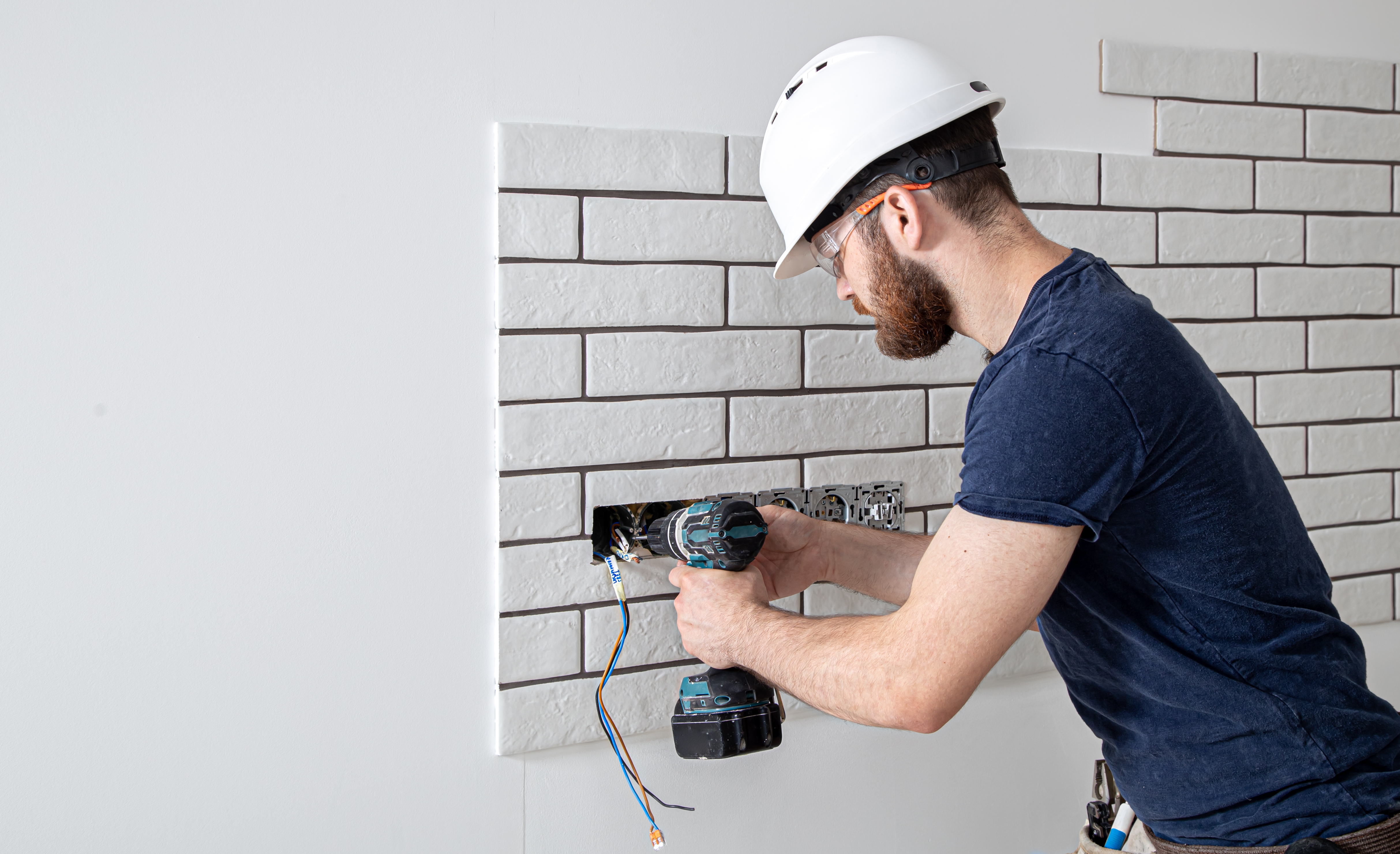
The good news is that you have several great options for lasting repairs. One popular method involves using wall anchors. These are like giant bolts that go through your wall and connect to a plate buried deep in your yard. They pull the wall back into place over time as you tighten them. If you don’t have much room in your yard for digging, carbon fiber straps are a fantastic choice.
These straps are incredibly strong and get glued directly to the wall surface. They stop bowing instantly and are very thin, so you can paint over them easily. Another heavy-duty fix is using steel beams. These beams are bolted to the floor and the ceiling joists to provide a rigid support system that won’t budge. Each house is different, so the right fix depends on how far the wall has moved.
Some people prefer the anchors because they can actually straighten the wall back to its original spot. Others like the straps because they are low profile and don’t take up any space. Family Dry offers all these options and helps you pick the one that fits your budget and your home needs. They ensure the solution is permanent and effective, so you never have to worry about it again.
Expert Bowing Walls Services
When you see a curve in your wall, you need someone who knows foundations inside and out. Family Dry is the best service provider for this because they focus on your home’s long-term health. They don’t just patch a crack and leave you wondering.
They look at the whole picture, including your yard drainage and the soil type. Their team has years of experience dealing with every kind of basement trouble you can imagine. They explain the process in simple terms so you never feel left in the dark or confused.
You get a clear plan and a fair price for the work. Using high-quality materials means the repair lasts the life of your home rather than just a few years. They treat your basement with respect and keep the workspace clean throughout the project.
Trusting your home to someone else is a big deal for any family. You want a team that has a track record of expert bowing walls services and happy customers. Family Dry has built a reputation for honesty and hard work. They are the experts you want in your corner when your foundation starts to fail. Their commitment to quality ensures your home stays safe and dry.
Tips for Making a Confident Decision
Choosing a repair method feels like a big task, but it doesn’t have to be stressful. First, you should always get a professional inspection to see what is really happening. Don’t guess what is wrong based on a picture online. Look for a company that offers a solid warranty on its work.
This shows they believe in the quality of their service. Ask about the timeline and how much mess the job will create in your living space. Good contractors like Family Dry will walk you through every step before they start. They help you understand why one method might be better suited to your specific soil or wall material.
Don’t just go for the cheapest bid you find. Look for value and experience instead. Cheap repairs often fail, leaving you right back where you started with more damage. Check reviews and talk to past customers to see how their repairs held up over the years. Feeling confident in your choice comes from having all the facts and a good partner. A safe home is worth the effort of doing your homework today.
With the right help, those bowing walls will be a thing of the past. You will be able to enjoy your basement again without any worry. Family Dry makes the whole process easy and stress-free for every homeowner.
Conclusion
A bowing basement wall feels like a disaster, but you have the power to fix it. Taking action now saves your home and your bank account from total ruin. You don’t have to face these foundation fears alone.
Family Dry is the best service provider for stabilizing your walls and giving you peace of mind. Their expert team handles the heavy lifting so you can enjoy a safe, solid house again. Trust the pros to protect your investment. Reach out to Family Dry today and get your home back now.
-
How Serious Is a Bowing Basement Wall?
A bowing basement wall signals a critical structural failure caused by excessive hydrostatic pressure from the soil outside. This force pushes against your foundation, creating horizontal cracks and inward leaning. You should treat this as an emergency because it compromises the entire stability of your home. If the wall moves even an inch, it loses its ability to support the weight of the structure above. Ignoring this issue eventually leads to a total collapse of the foundation wall.
-
Can Bowed Walls Be Repaired Without Replacing the Foundation?
Yes, specialists frequently repair bowing walls using advanced reinforcement techniques that avoid the need for a total foundation replacement. For minor bowing, technicians install carbon fiber straps to stabilize the surface. If the wall has moved significantly, they use steel I‑beams or wall anchors to provide heavy-duty lateral support. These methods often pull the wall back toward its original position over time. These solutions save you time and money while effectively restoring the structural integrity of your basement.
-
How Much Does It Cost to Repair a Bowing Basement Wall?
Costs vary based on the severity of the damage and the chosen stabilization method. Carbon fiber strips typically cost between $5,000 and $10,000 for a standard wall. More intensive repairs involving steel beams or earth anchors usually range from $10,000 to $20,000. If you require extensive exterior excavation to relieve soil pressure, prices can climb higher. While these figures seem high, they remain far more affordable than the cost of replacing a collapsed foundation.
-
What Happens If I Ignore Bowed Basement Walls?
Ignoring a bowing wall invites a catastrophic structural collapse. Initially, you will notice widening cracks, water seepage, and jammed doors or windows on the upper floors. As the pressure increases, the wall will eventually buckle inward, potentially caving in entirely. This failure renders your home uninhabitable and destroys its resale value. Furthermore, the repair costs jump from a few thousand dollars for reinforcement to over $50,000 for a complete emergency foundation reconstruction and stabilization.
 About the Author