Why Concrete Raising for Driveways & Walkways Matters and How It Works?
Concrete raising involves mechanically lifting sunken slabs back to their intended grade to restore structural integrity. The core reason this process matters is that it prevents total failure of the pavement system. When a slab sinks, it creates uneven stress points that can cause the material to snap.
The method works by filling the empty pockets or voids that form beneath the concrete surface. Two main techniques dominate the field today. One is mudjacking, which involves mixing sand and soil with Portland cement. This heavy slurry is pumped through holes to create a new load-bearing base. The other method is polyurethane foam injection.
This modern approach uses a high-density resin that expands when it hits the air pockets. The chemical reaction creates enough force to lift thousands of pounds. Both methods rely on the principles of displacement and pressure to restore the path’s level. Using these methods eliminates the need for heavy machinery to break up the old material, which helps preserve the surrounding soil structure.
Why Your Driveway Looks Like It’s Growing Stairs Overnight (Concrete Sinking Explained)
Walking out to your car in the morning should be a simple task. Yet many homeowners find themselves performing an accidental parkour move because a new ledge appeared in their driveway overnight. It feels like your concrete is trying to grow stairs where you never asked for them.
You might consider calling a priest for an architectural exorcism, but the reality is much more grounded in geology than in the supernatural. Your driveway is sinking because the ground beneath it is shifting or eroding.
This blog will help you understand the physics of sinking slabs and the smart ways to bring them back to their original height without starting from scratch. We will look at why this happens and why raising the slab is often a better choice than a full tear-out and replacement.
Signs You Need Concrete Leveling
Early detection of slab settlement can save a property owner a lot of money on future repairs. One clear sign is a trip hazard at the point where two concrete sections meet. If you notice one slab sitting an inch or more lower than its neighbor, you have a settlement problem that needs attention. Another major indicator is water pooling on the surface.
If puddles remain on your walkway long after the rain stops, it means the concrete’s pitch has changed. This often happens because the soil underneath has compacted or washed out due to poor drainage or a broken pipe. You should also look for cracks that run across the entire width of the driveway.
While some small hairline cracks are normal, wide gaps usually suggest that the subgrade no longer supports the slab. Hollow sounds when you walk or drive over certain areas also point to hidden voids. Catching these signs keeps the damage from spreading to other parts of the foundation.
Choosing between Concrete Raising Vs Replacement
Replacing a driveway is a massive undertaking that involves heavy equipment and high labor costs. You have to pay for demolition, removal of old debris, and new materials. It also takes several days for new concrete to reach full strength, so you cannot park your car there for a week. Concrete raising is a much faster alternative.
Most projects take just a few hours to finish, and you can use the surface almost immediately. Raising the slab also preserves the color and texture of your existing concrete. If you replace only one section, the new slab will look much brighter than the rest of the path. This creates an uneven look that diminishes the home’s value.
From a technical standpoint, raising the slab is often preferable because it addresses the weak soil beneath it. New concrete poured over bad soil will sink again in a short time. Raising the slab fixes the foundation first to ensure a lasting fix.
What are the Benefits of Concrete Leveling?
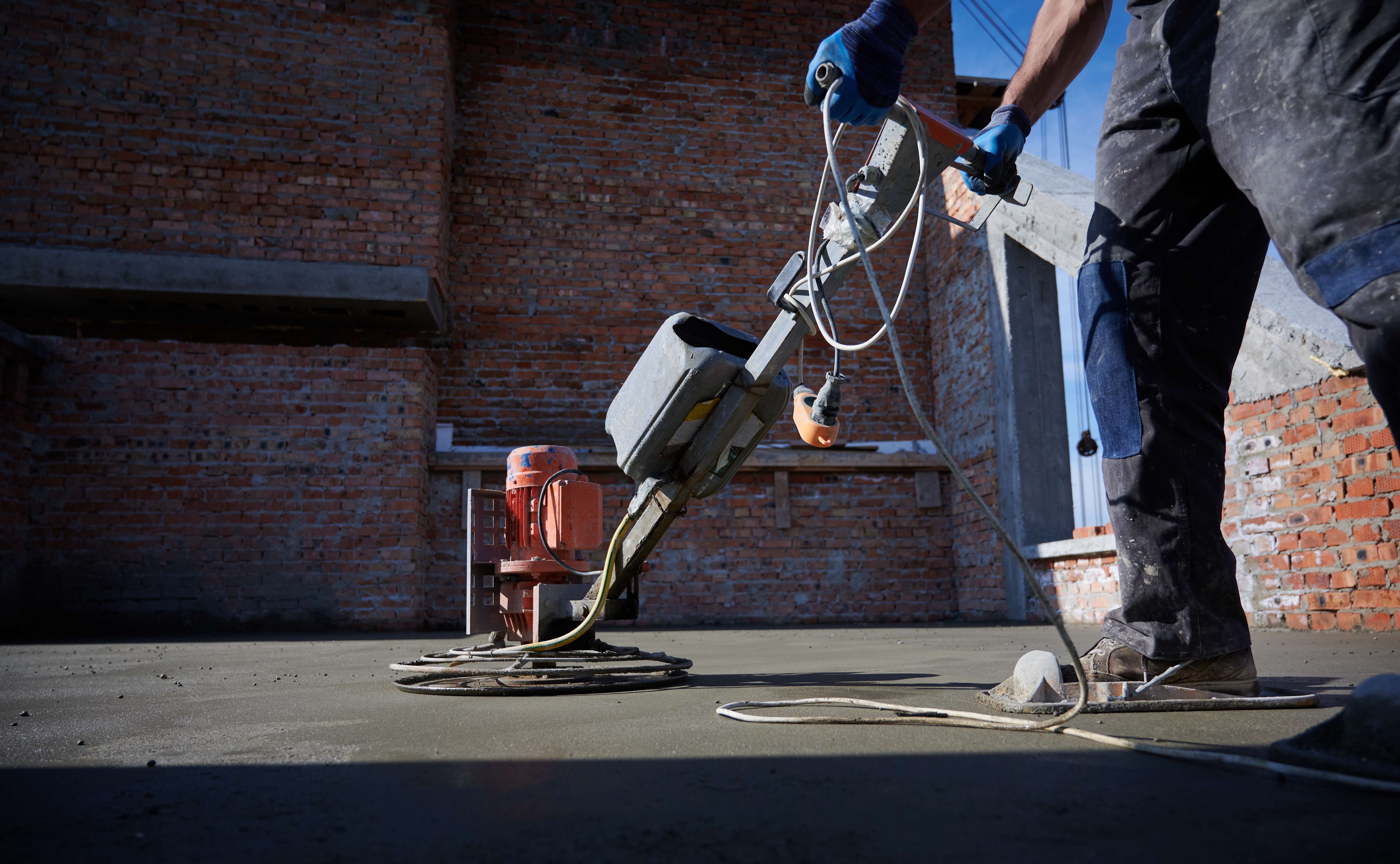
The primary benefit of leveling is the major cost savings compared to a full replacement project. Most homeowners save around fifty to seventy percent by choosing to lift rather than pour new material. Beyond the money factor, there is the issue of time and convenience. You do not have to wait for a crew to dig up your yard or wait for the concrete to cure in the sun.
The environmental impact is also lower because you are not sending old concrete to a landfill. Polyurethane foam is a stable material that does not leach chemicals into the ground or react with groundwater. It also provides a waterproof barrier that prevents future erosion under the slab by sealing off water flow. This helps the soil stay in place during heavy storms.
By sealing the voids, you stop the cycle of sinking before it starts again. The result is a level surface that looks great and functions perfectly for many years without the mess of a construction zone.
How To Fix an Uneven Driveway?
Fixing an uneven driveway starts with a careful inspection of the area to find the lowest points of the settlement. A technician will drill a series of small holes into the concrete in a specific pattern. These holes are usually no larger than 5⁄8 inch when using foam. Once the holes are ready, the lifting material is injected under controlled pressure.
If using foam, the material expands in seconds to fill every gap and lift the slab from the bottom up. The technician monitors the lift with a laser level to ensure the slab reaches the exact height needed for proper water runoff. After the slab is level, the injection holes are filled with a specialized grout that matches the color of the existing concrete.
The final step is to seal any cracks or joints to prevent water from seeping back under the surface. This process is clean and does not damage the surrounding grass or the home siding.
Professional Concrete Raising Services
Hiring a professional team ensures that the job is done with the right equipment and deep technical knowledge. Professionals use industrial-grade pumps and high-density resins that are not available at local hardware stores. They understand how to calculate the slab’s weight and the amount of lift needed without causing the concrete to snap under pressure.
A professional crew also has the tools to test the soil density before they begin the injection process. This ensures that the material they pump in will actually stay in place and provide a firm base. Many companies offer long-term warranties that guarantee the slab will not sink again.
This peace of mind is worth the investment because it protects everyone who walks on the property. Professional Concrete Raising Services also handle cleanup and precision-matching of hole patches to achieve a repair that looks as clean as possible. Working with experts means the repair is solid and durable.
Conclusion
Fixing a sinking driveway is about more than looks. It is about keeping your property safe and functional for years to come. Lifting those slabs is a smart move that saves you from the mess of a total tear-out. Here at Family Dry, we believe in repairs that last without draining your bank account. Take care of those uneven spots now and enjoy a smooth path back to your garage.
-
What Is Concrete Raising, And How Does It Work?
Concrete raising is a smart repair that lifts settled slabs back to their original height. Workers drill small holes and pump a stabilizing material, such as foam or mud, beneath the surface.
This filler expands to pack the loose soil and push the slab up without the mess of demolition.
-
Is Concrete Raising Better Than Replacing Concrete?
Raising is often the superior choice because it saves time and money. New concrete is expensive and takes days to dry.
Lifting works in hours and lets you drive on the surface almost immediately. It also treats the hollow gaps in the soil that caused the initial sinking problem.
-
What Causes Concrete Driveways and Walkways to Sink?
Sinking occurs when the ground under the slab shifts or shrinks. Heavy rain can wash away supporting soil, while prolonged drought can cause soil to contract.
Sometimes the original builders did not pack the dirt tightly enough. These gaps leave the concrete with no choice but to settle into the voids.
 About the Author