How To Repair a Cracked Foundation?
Discovering a foundation crack feels like finding a leak in a boat. This stressful moment triggers worries about safety and the high costs of repairing a cracked foundation. Many homeowners ignore small lines until they face major floods or shifting walls. You need a clear plan to protect your investment and property value.
Family Dry provides the best services because they understand how local soil pressure impacts your home. The repair process starts with thorough cleaning since patches fail on dirty concrete. Experts often use high-pressure injection for basement walls. This method pumps expanding polyurethane foam or epoxy resin into the void to create a flexible seal.
If cracks appear on the outside, you might need to dig down to the footer to install a waterproof membrane. Always check drainage systems while the ground is open to prevent future issues. Family Dry technicians address the root cause of moisture, not just cover visible lines. Their professional repairs prevent mold and ensure your home stays dry for decades.
Causes Of a Cracked Foundation Everyone Misses!
Homeowners often blame the house’s age for every issue. While old concrete does wear down, many other factors play a bigger role. Soil moisture levels are the most common culprit that people overlook. When the ground gets too wet, it swells and pushes against the basement walls. When the ground dries out during a hot summer, it shrinks, leaving the wall unsupported. This constant back-and-forth creates immense stress on the concrete.
Another missed cause is the placement of trees near the house. Large roots drink hundreds of gallons of water every day, which pulls moisture away from the foundation unevenly. This leads to settlement in one corner of the building. Clogged gutters also cause massive problems. If your downspouts drop water right next to the wall, the soil becomes a heavy soup.
That weight is called hydrostatic pressure, and it can crack even the thickest concrete. You should also look at the slope of your yard. If the grass tilts toward your house, you are inviting water to push against your basement. Family Dry helps homeowners identify these hidden triggers so the repairs actually hold up over time.
What are Non-Structural Cracks? (and how to fix them)
Non-structural cracks are usually thin and look like a spider web or a single vertical line. These typically occur due to concrete shrinkage as the material cures during the first few years of the home. They are often less than 1⁄8 inch wide. While they do not threaten the stability of your roof or floors, they are perfect pathways for water and radon gas. You can fix these by using a simple injection kit.
You start by attaching small plastic ports along the crack with a fast-setting paste. Once the paste dries, inject the liquid sealer into the ports, starting at the bottom and working your way up. This fills the entire depth of the wall. If you want a professional finish that stays dry forever, you should call Family Dry.
They use industrial-grade materials that stick better than the stuff you find at a local hardware store. Their methods ensure that the seal remains flexible during winter freezes and summer thaws. Addressing these small lines early prevents them from turning into larger leaks during heavy rainstorms.
What are Structural Cracks? (and how to fix them)
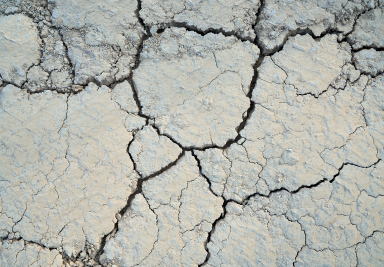
Structural cracks are the ones that should make you take immediate action. You can recognize these by their shape and size. Horizontal cracks or stair step patterns in brick or block walls are major red flags. If you see a crack wider than a quarter of an inch or notice that one side of the wall is pushing inward, you have a structural problem.
These occur when soil pressure becomes too great for the concrete to withstand. To fix these issues, professionals often use carbon fiber straps. These straps are stronger than steel and get glued directly to the wall to stop any further movement. Another option involves installing wall anchors. These are long metal rods that go through the wall and connect to a plate buried in your yard.
Tightening these rods pulls the wall back into place. Family Dry specializes in these high-stakes repairs. They have the equipment to stabilize your home without rebuilding the entire foundation. Addressing structural issues protects your home’s value and keeps your family safe from potential collapse.
Hire Foundation Crack Repair Experts
Trying to fix a foundation on your own can lead to huge mistakes if you misread the signs. A small DIY patch might hide a crumbling footer or a sinking corner. Hiring foundation crack repair experts gives you access to a professional diagnosis. They use specialized tools, such as laser levels and moisture meters, to see what is happening behind the drywall.
Family Dry is the best service provider because they offer transparent pricing and a solid warranty on their work. You want a team that has seen every type of soil and every basement style in your area. Experts also know how to navigate local building codes and permits. This is important if you ever plan to sell your home.
A buyer will want to see that a reputable company did the repairs. Pro contractors also have the heavy machinery needed for excavation if the job gets complicated. When you work with Family Dry, you get peace of mind knowing the job is done right the first time. They treat your home with respect and keep the work area clean throughout the entire process.
How To Deal with Cracks in Foundation Walls?
The first step in dealing with wall cracks is monitoring their behavior. You can mark the ends of a crack with a pencil to see if it grows over the next few months. If the crack stays the same size, you are likely dealing with an old settlement issue. If it grows or starts leaking water, you need to act fast.
Keep the area around the crack clear of storage boxes so you can see any changes. You should also check the exterior of your home for any gaps in the soil. Sometimes filling those gaps with clay can stop water from reaching the crack. Never just paint over a crack with waterproof paint because the water will still build up inside the wall and cause it to crumble.
The best way to handle these issues is to get a professional inspection. Family Dry provides detailed assessments to help you understand the severity of the damage. They can suggest a mix of interior sealing and exterior drainage improvements. Dealing with cracks early is much cheaper than waiting for a wall to fail. Stay proactive and keep your basement dry by watching for those small signs of trouble.
Conclusion
Taking care of your home starts with a solid base that keeps the weather out. You must address every small gap before it turns into a costly disaster. Family Dry provides the best services to ensure your basement stays dry and your walls stay straight for many years.
Their team uses the latest tools to stop water pressure and stabilize shifting soil. You protect your family and your property value by choosing professional repairs over temporary patches. Don’t wait for the next heavy rain to test your foundation. Call the experts today to get a permanent solution for your house.
-
What Is the Best Foundation Crack Repair?
High-pressure polyurethane foam injection stands as the superior method for most leaks. This material expands to fill the entire void and remains flexible, blocking water. Family Dry is best.
-
How Much Does It Cost to Fix Cracks in the Foundation?
Minor injections typically range from 400 to 800 dollars per crack. Major structural stabilization involving piers or carbon fiber straps can cost several thousand dollars, depending on the specific damage to the home.
-
How To Tell If a Foundation Crack Is Serious?
Horizontal lines or stair-step patterns in masonry indicate severe pressure. If a crack is wider than one-quarter inch or if the wall bulges inward, you must call an expert.
-
Does Home Insurance Cover Foundation Cracks?
Standard policies usually exclude cracks caused by normal settling or earth movement. Coverage typically applies only if the damage results from a sudden covered peril, such as a burst pipe or an explosion.
-
Can I Fix a Foundation Crack Myself?
You can patch thin hairline shrinkage cracks with a DIY epoxy kit from a hardware store. For anything that leaks water or shows structural movement, you should rely on Family Dry services.
 About the Author